Key Takeaways
- Choose Lake George lodging based on your group’s comfort, kitchen needs, and preferred pace.
- Build each day around one main outing, with time left for the water, meals, and rest.
- Pack layers and rain protection, since lakeside conditions can feel different from the forecast.
- Prepare a few easy meals so dining does not become the center of every decision.
- Check local rules, weather, and water conditions before boating, swimming, or hiking.
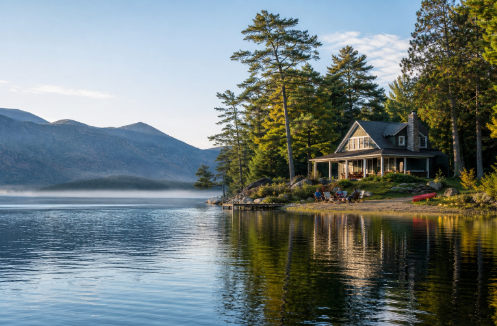
A Lake George getaway can be as active or unhurried as you want it to be. A stay in a 2 bedroom cottage Lake George NY, can give a couple, family, or small group a comfortable home base for slow breakfasts, afternoon outings, and quiet evenings outdoors.
Lake George, New York, is especially well-suited to a short escape because travelers can combine time near the water with scenic drives, casual dining, shopping, and outdoor recreation. The best plan is not the busiest one. It is the one that gives everyone enough structure to feel prepared and enough open time to enjoy the setting.
Why Lake Getaways Work So Well
A lake trip accommodates different travel styles without requiring everyone to follow the same schedule. One person may want an early walk or paddle, while someone else may prefer coffee on the porch and a good book. Later, the group can come together for a meal, a boat outing, a stop on the shoreline, or an easy evening stroll.
Lake George also makes it easier to keep a weekend from feeling overplanned. Instead of racing between distant attractions, use the lake and the surrounding community as the center of the trip. For travelers whose plans are still flexible, that flexibility can be the most valuable part of choosing a cottage-style stay.
Choosing the Right Lake George Base
Before booking, consider how you want to spend your time. A place close to the village may make restaurants and shops easier to reach. At the same time, a quieter property outside the busiest areas may better suit travelers who value privacy and slower mornings.
- Estimate real travel time, including breaks, traffic, parking, and check-in.
- Think about the season and pack for cool mornings, warm afternoons, rain, and chilly evenings.
- List the activities that matter most, such as sightseeing, swimming, boating, hiking, or dining out.
- Confirm access to groceries, fuel, pharmacies, and other practical essentials.
- Decide whether your group would rather be near the activity or away from crowds.
It can help to compare official destination details with broader travel ideas. Articles about lake towns with outdoor adventure and walkable character can also help travelers identify the qualities they want from a waterside escape.
What to Compare Before Booking
Do not judge a stay by the nightly rate alone. Read the complete listing and make sure the space matches the people, routines, and supplies your group will need.
- Check the number and type of beds, plus how comfortably everyone can sleep.
- Look for a kitchen, refrigerator, cookware, dishes, and a place to eat together.
- Confirm whether towels, linens, parking, air conditioning, internet, grills, and outdoor seating are included.
- Review accessibility needs for children, older adults, or guests with limited mobility.
- Read rules covering pets, visitors, fires, noise, check-in, and cleaning.
- Add taxes, service charges, cleaning fees, deposits, and optional extras before comparing prices.
Planning a Realistic Budget
Set a total-trip number before reserving anything. Include lodging, transportation, groceries, restaurant meals, parking, equipment rentals, activities, and a small cushion for unplanned spending. That cushion is useful if the rain changes the plan and the group chooses an indoor activity or a relaxed meal out.
Building a Flexible Itinerary
A simple itinerary prevents decision fatigue while leaving plenty of room for the unexpected. Choose one main activity for each full day, then add a backup option that works in poor weather.
- Start the first morning slowly with breakfast and a walk near the water.
- Plan one afternoon outing, such as a scenic drive, a boat excursion, or a visit to a local attraction.
- Keep dinner uncomplicated, whether that means grilling at the cottage or visiting a nearby restaurant.
- Leave time for photos, naps, snacks, shopping, and spontaneous stops.
- Verify hours, reservations, parking rules, and seasonal availability before leaving.
Packing for Lake George
Pack by category rather than throwing in last-minute items. Light layers, a rain jacket, comfortable walking shoes, swimwear, and warmer evening clothing cover most lakeside situations. Add sunscreen, insect repellent, hats, sunglasses, refillable water bottles, towels, medications, basic first-aid supplies, chargers, flashlights, books, games, and a dry bag for phones or valuables.
Simple Cottage Meal Planning
Easy meals reduce costs and protect your downtime. Plan one breakfast, lunch, and dinner per day, but choose ingredients that can do double duty. Fruit, eggs, bread, sandwich fillings, pasta, grilled vegetables, salad ingredients, and snacks can cover several meals without filling every inch of the cooler.
Prepare a few items before leaving, such as chopped vegetables, a simple sauce, or ready-to-grab snacks. Keep one no-cook option for late arrivals or hot days, and leave room in the plan for one meal at a local restaurant.
Outdoor Safety Tips
Comfort and safety belong in the same plan. Wear a properly fitted life jacket when boating or paddling, supervise children closely around water and fire, and watch the weather before heading out. Bring drinking water, use sunscreen even on cloudy days, and tell someone where the group is going if you separate for a hike or outing. Review water recreation safety basics before planning on-the-water activities, then follow all posted local rules.
Common Mistakes to Avoid
- Booking before checking the full price and property rules.
- Assuming every cottage includes the same kitchen supplies or amenities.
- Trying to fit too many activities into a two- or three-night stay.
- Ignoring driving time, parking, and reservation requirements.
- Forgetting a rainy-day alternative.
- Packing only for sunshine instead of changing lakeside weather.
Frequently Asked Questions
How far in advance should a Lake George trip be planned?
Planning earlier is useful for popular weekends, larger groups, and specific lodging preferences. Midweek and shoulder-season stays may offer more flexibility, but it is still wise to confirm availability before building the rest of the trip.
Are cottages better than hotels?
Cottages can offer more privacy, outdoor space, and kitchen access. Hotels may be a better fit for travelers who prefer on-site services, daily housekeeping, or a more central location. The better choice depends on the group’s priorities.
What should travelers do if the weather changes?
Shift to a scenic drive, local meal, museum visit, board game, reading time, or long lunch. A change in weather does not have to ruin the getaway when the schedule has room to adapt.
Final Thoughts
A memorable Lake George getaway does not require a packed calendar. Comfortable lodging, straightforward meals, a few well-chosen activities, flexible expectations, and sensible outdoor preparation can turn a short New York trip into a genuinely restorative break.