In today’s fast-paced business world, the need for strong, reliable, and cost-effective commercial structures is greater than ever. Companies are looking for buildings that can support their growth, withstand harsh weather, and reduce maintenance costs. Steel buildings have become a popular choice for modern commercial projects because they provide long-lasting solutions that meet these demands. With their strength, flexibility, and efficiency, steel buildings offer advantages that traditional construction materials often cannot match.
Strength and Longevity of Steel Buildings
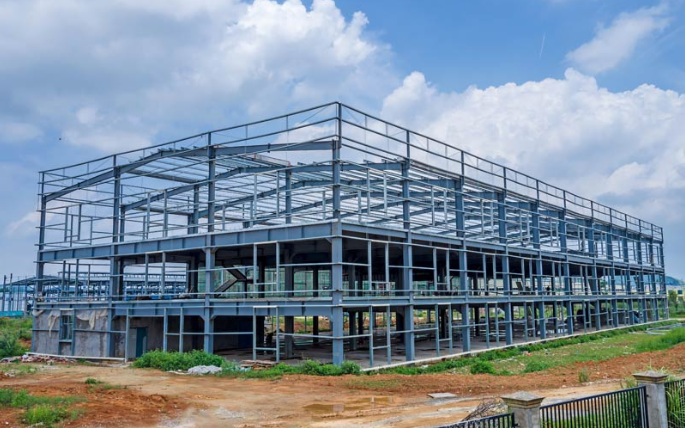
One of the main reasons steel buildings are preferred in commercial projects is their exceptional strength. Steel is a robust material that can handle heavy loads and resist extreme conditions. Unlike wood or concrete, steel does not warp, crack, or split over time. This durability ensures that steel buildings can stand strong for decades, making them a smart investment for businesses looking for long-term solutions. The resilience of steel also allows architects and engineers to design larger, open spaces without the need for many internal support columns, creating flexible work areas that meet modern business needs.
Cost-Effective Construction
Steel buildings are often more cost-effective than traditional construction methods. The components of a steel building are pre-engineered and fabricated in factories, which reduces on-site construction time and labor costs. Faster construction means businesses can start operations sooner, saving money on rent or other temporary facilities. Additionally, steel requires less maintenance over its lifetime compared to wood or masonry, which can deteriorate and require frequent repairs. This combination of lower initial costs and reduced maintenance makes steel buildings a financially smart choice for commercial projects.
Resistance to Environmental Challenges
Another important advantage of steel buildings is their resistance to environmental challenges. Steel is naturally resistant to pests, such as termites, and does not rot or decay when exposed to moisture. It also performs well under extreme weather conditions, including heavy snow, strong winds, and earthquakes. This makes steel buildings a reliable option for areas prone to natural disasters. Many commercial projects need structures that can withstand harsh environmental conditions while protecting valuable equipment, inventory, and employees, and steel buildings fulfill these requirements effectively.
Design Flexibility and Modern Aesthetics
Steel buildings offer unmatched design flexibility, which is essential for modern commercial projects. Architects can use steel to create customized layouts and unique architectural features without compromising structural integrity. The ability to span long distances with steel allows for open floor plans that can be easily adapted for offices, warehouses, retail spaces, or manufacturing units. Additionally, steel can be finished in a variety of colors and textures, allowing businesses to achieve a modern and professional appearance. This combination of strength and design flexibility makes steel buildings a versatile choice for companies that want functional spaces with an attractive look.
Sustainability and Eco-Friendliness
Sustainability is a growing concern for businesses and developers, and steel buildings provide an environmentally friendly solution. Steel is one of the most recycled materials in the world, and using it in construction reduces the need for new raw materials. Furthermore, steel structures can be designed to improve energy efficiency by accommodating insulation, energy-saving windows, and solar panels. Choosing steel not only supports sustainable construction practices but also helps businesses reduce their carbon footprint and operating costs over time.
Quick and Efficient Installation
Time is a crucial factor in commercial projects, and steel buildings offer a major advantage through quick and efficient installation. Because steel components are prefabricated, they can be assembled on-site much faster than traditional materials. This rapid construction process minimizes disruption to surrounding areas and allows businesses to occupy their new spaces sooner. The efficiency of steel buildings is particularly beneficial for companies that need to expand operations quickly or respond to changing market demands.
Conclusion
Steel buildings have proven to be a reliable and durable solution for modern commercial projects. Their strength, cost-effectiveness, resistance to environmental challenges, design flexibility, sustainability, and fast installation make them an ideal choice for businesses of all sizes. As companies continue to seek structures that combine functionality with long-term value, steel buildings remain at the forefront of commercial construction. Investing in steel ensures not only a strong and lasting building but also a smart, forward-thinking approach to modern business needs.