A well-chosen top can be the cornerstone of any outfit, taking you effortlessly from casual brunches to chic evenings out. Whether you’re looking for the timeless appeal of black tops for women, the freshness of white tops for women, or the charm of floral print tops, VERO MODA has you covered. Dive into these essential styles and find out how to make each top a staple in your wardrobe.
1. Black Tops for Women: Timeless and Chic
A black top is an essential that works across occasions, offering unmatched versatility and elegance. VERO MODA’s selection includes everything from fitted black tees for a laid-back vibe to more structured tops that make a statement.
For a casual day out, pair a fitted black top with high-waisted jeans and sneakers. If you’re heading to an evening event, consider a black top with lace or ruffle details, which adds sophistication. Pair it with tailored trousers and heels, and you have a refined look that’s perfect for the night. With a black top in your wardrobe, you’ll never be at a loss for a chic, effortless outfit.
2. White Tops for Women: Fresh and Versatile
There’s something effortlessly elegant about white tops for women. They’re clean, crisp, and versatile, making them ideal for any style. VERO MODA offers a range of white tops, from minimalistic designs to more intricate options with unique textures and details.
For a casual, everyday look, pair a simple white shirt with light-wash jeans and slip-on loafers. If you’re heading to a semi-formal occasion, a white blouse with subtle detailing like lace or embroidery can be dressed up with a skirt or fitted trousers. White tops also provide a great canvas for statement accessories, so don’t be afraid to add a pop of colour through jewellery or scarves.
3. Floral Print Tops: Add a Touch of Charm
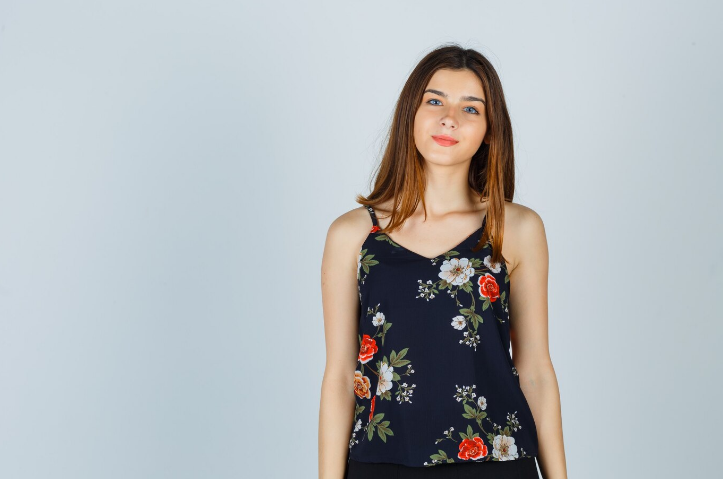
Floral print tops are a perfect choice for those who enjoy a splash of colour and pattern. VERO MODA’s collection of floral tops ranges from subtle, dainty prints to bold, statement-making designs. These tops add a refreshing, feminine touch to any outfit and are ideal for sunny days or when you simply want to brighten up your look.
Pair a floral print top with denim shorts and sandals for a laid-back, boho-inspired outfit, or style it with a pencil skirt for a more polished, office-ready look. Floral tops work beautifully for various occasions and bring a playful elegance to your wardrobe.
Conclusion:
From the sleek allure of black tops for women to the timeless appeal of white and the charm of floral prints, VERO MODA’s collection has something for everyone. Embrace these styles to create versatile, on-trend outfits that reflect your personality and keep you looking effortlessly stylish. Visit VERO MODA’s online store today to find your next favourite top and elevate your wardrobe with these must-have pieces.