The evolution of design has long been a reflection of the cultural and artistic changes within society. As social values, technological advancements, and artistic movements evolve, so too does design. This evolution is not simply about aesthetics; it also tells the story of the shifting priorities, philosophies, and needs of different eras. Understanding how design mirrors these changes helps us appreciate how deeply interconnected our visual and functional worlds are with the broader cultural and artistic currents of their time. The journey of design is not static, but dynamic—shaped by innovation, societal demands, and a constant desire to represent the world in new and meaningful ways.
A great example of how design reflects cultural evolution can be seen in the shifting use of materials and forms. In the early 20th century, design was heavily influenced by industrialization, which brought about new materials like steel, glass, and concrete. These materials symbolized a break from traditional craftsmanship and were used to create clean, functional, and often minimalist forms. The Bauhaus movement, for instance, emphasized the merging of art and industry, championing designs that prioritized function and practicality over ornamental aesthetics. This period reflected a time when society was embracing modernity and looking forward to the possibilities of an industrialized future.
As the mid-century approached, there was a shift towards more expressive and organic forms in design, driven by the post-war cultural landscape. Designers began to explore new ways of self-expression and emotion, leading to the rise of movements such as Art Deco and later, Abstract Expressionism. These movements were marked by bold colors, fluid shapes, and intricate details, which often communicated themes of optimism, freedom, and progress. The post-war era, in particular, was a time of reconstruction, both literally and figuratively, and design played a key role in representing a renewed sense of identity and possibility for the future.
In the digital age, technology has again played a major role in shaping design, with an emphasis on the intersection of technology and human experience. The rise of digital tools and the internet has transformed how designers approach both the aesthetic and functional aspects of their work. The design of websites, apps, and interfaces is now centered around user experience, with the goal of making digital interactions as intuitive and seamless as possible. The minimalist, flat design style that gained prominence in the early 2000s, for instance, reflects the cultural shift toward simplicity and efficiency, as well as the increasing reliance on technology in everyday life. Designers now face the challenge of creating visually compelling and highly functional products that not only meet the needs of users but also resonate with their ever-changing cultural expectations.
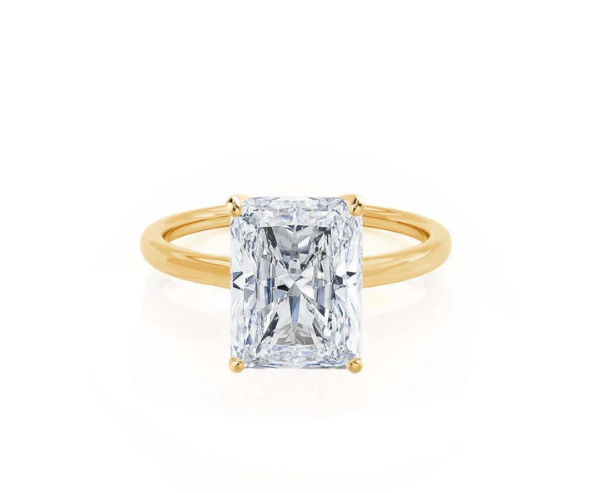
In the world of fashion and jewelry design, the influence of cultural and artistic shifts is also evident. The growth of sustainable design and the increasing demand for ethical production practices reflect a broader societal shift towards environmental awareness and social responsibility. Brands like lily arkwright have embraced these values, integrating them into their designs by using ethically sourced materials and creating timeless pieces that reflect a commitment to both artistry and sustainability. These movements in the fashion and jewelry industries show how design can evolve in response to cultural shifts, reflecting changing attitudes towards consumption, craftsmanship, and values.
At the heart of this constant evolution is the idea that design is more than just an aesthetic pursuit—it is a lens through which we can view the world, our history, and our future. The interplay between culture, art, and design has always been reciprocal, with each influencing and informing the other. As society continues to evolve, so too will the designs that shape our environment. Whether it’s the sleek, functional lines of modern architecture or the intricate details of contemporary fashion, design will always serve as a mirror to the cultural and artistic shifts that define each era.
In conclusion, the evolution of design is not just about the development of new styles or techniques—it is about understanding how the shifts in our culture and artistic values shape the world around us. By studying the way design evolves, we gain insight into the complex relationship between society, art, and the products we create. This understanding allows us to appreciate the deeper meanings embedded in the designs that continue to shape our daily lives, from the clothes we wear to the spaces we inhabit and the digital tools we use.